The Budget-Conscious Guide to Looking Expensive: A Step-by-Step Styling Manual
A few years ago, I attended an outdoor spring brunch feeling completely self-conscious. I was wearing an outfit that had cost me nearly half a paycheck: a brand-name silk blouse, designer denim, and trendy leather sandals. Standing next to me was a friend wearing an unbranded cream linen button-down, thrifted pleated trousers, and simple pointed flats. She looked polished, rich, and composed. I looked like someone who had spent too much money trying to prove something.
That morning taught me a lesson I have held onto ever since. Expensive dressing is rarely about the price tag attached to the garment. It is about texture, fit, garment care, and restraint. When you understand how clothes interact with light, movement, and proportions, you can create outfits that look high-end on an everyday high-street budget.
The Fabric Reality: Where Budget Pieces Win or Lose
The quickest giveaway of an inexpensive outfit is not the cut; it is the fabric. Highly synthetic materials with a plastic sheen instantly look cheap under natural sunlight. On the other hand, natural fibers or realistic textured blends hold their shape, absorb light softly, and fall with a weight that signals quality.
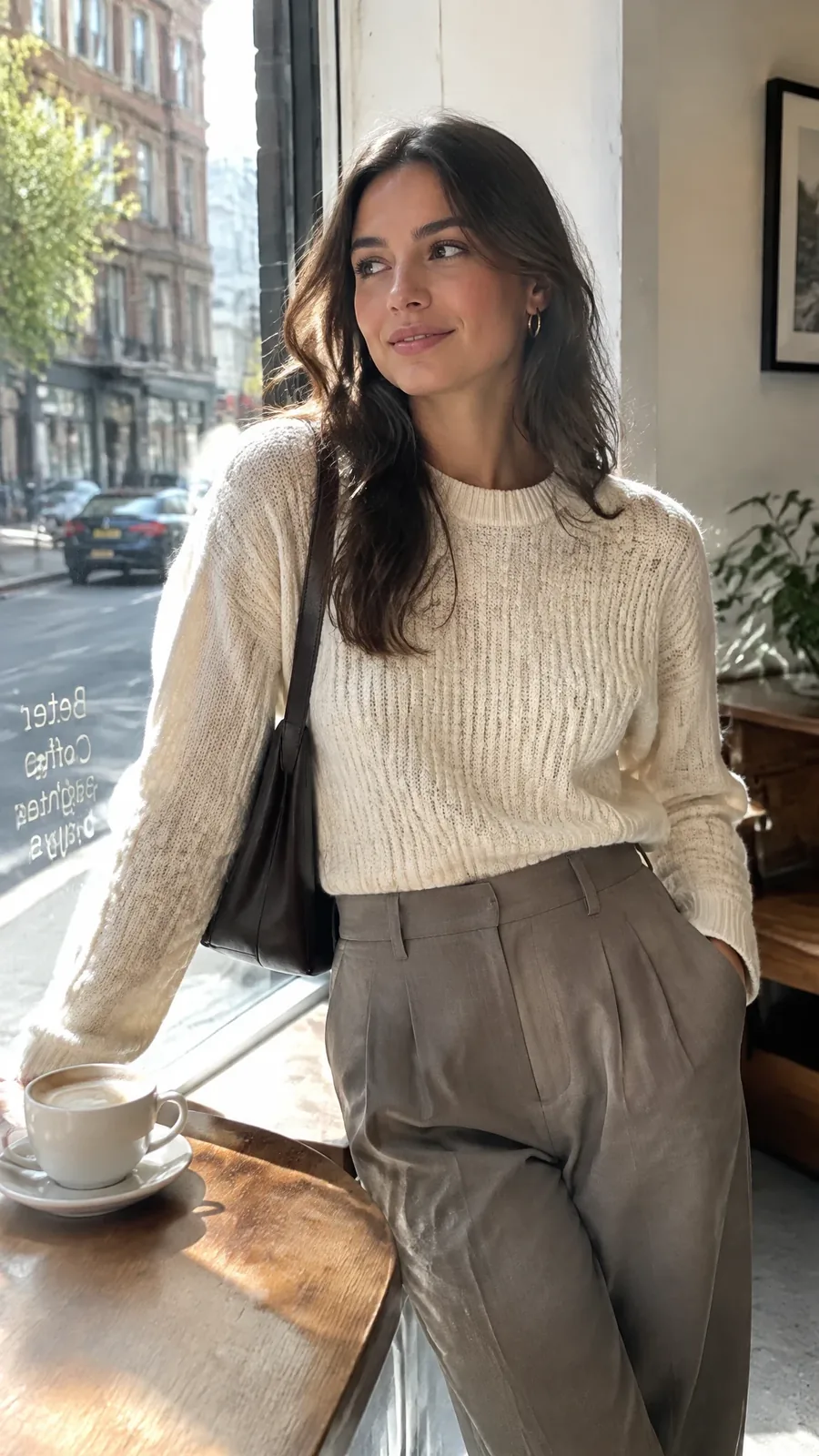
When shopping at budget-friendly stores or thrift shops, train your eyes and hands to seek out specific surfaces. Heavy cotton twill, linen blends, viscose with a matte finish, and modal drape beautifully without costing a fortune. If you love knits, check the density. A closely knit, compact yarn holds its silhouette through multiple washes, whereas loose, thin acrylic stretches out at the elbows within an hour.
The Secret Weapon: Simple Garment Maintenance
Before spending a single dollar on new clothes, look at the condition of what you already own. True luxury is clean, pressed, and intentional. A five-hundred-dollar trench coat covered in lint and wrinkles looks worse than a thirty-dollar thrifted coat that has been properly steamed, depilled, and lint-rolled.
Investing around fifteen dollars in a handheld fabric shaver can revive older sweaters, wool coats, and jersey dresses. Fabric pills collect friction around underarms and thighs, instantly making an item look tired. Running a shaver over your knits before each season restores their smooth surface instantly.
Steaming is equally critical. Wrinkled clothes communicate rush and distraction. Smooth clothes communicate intention. A handheld travel steamer is fast enough for busy mornings and works gently on delicate rayon or silk blends that burn under a flat iron.
Monochrome and Tonal Dressing: The Easiest Luxury Shortcut
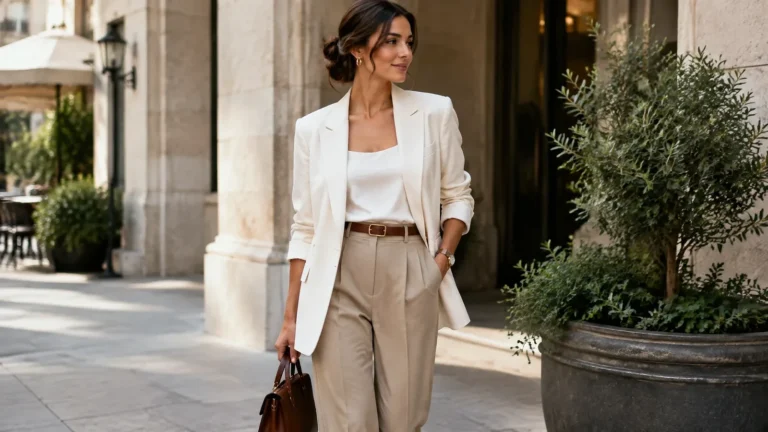
If you struggle with matching colors when getting ready for work or a dinner date, stick to a tonal palette. Wearing shades within the exact same color family creates a seamless vertical line that immediately looks intentional.
You do not need to buy matching sets. The trick is pairing different textures of the same tone. For example, combine a ribbed knit cream top with smooth ecru denim and a tan belt. The subtle contrast between ribbing and flat denim adds visual interest without introducing chaotic patterns that often cheapen budget garments.
- Soft ecru cotton tee + beige linen culottes + woven tan mule flats
- Charcoal fine-knit crewneck + dark slate tailored ankle trousers + black pointed loafers
- Navy poplin button-up + deep indigo rinse jeans + dark navy tailored wool-blend blazer
- All-black base: black fitted ribbed top + black straight-leg trousers + warm cognac leather belt
Tailoring Secrets That Cost Almost Nothing
Off-the-rack clothing is designed to fit a generic average body, meaning it fits almost nobody perfectly. Clothes that drag on the sidewalk, gap at the waist, or bunch awkwardly around the shoulders will never look refined. Even budget garments look custom-made when adjusted to your exact frame.
Find an affordable local neighborhood dry cleaner with an alterations sign in the window. Having pant legs hemmed so they skim the top of your shoes typically costs between ten and fifteen dollars. Taking in the waist of a pair of straight-leg jeans to eliminate a gap makes them drape as if they were made for you.
Another zero-cost tailoring move: roll your sleeves intentionally. Instead of pushing them up to bunch around your elbows, fold them twice neatly, resting just below your elbow. This exposes the wrist, which creates a slender, balanced visual point, especially when wearing oversized budget shirts.
Hardware and Trim: The Small Details That Betray Inexpensive Clothes
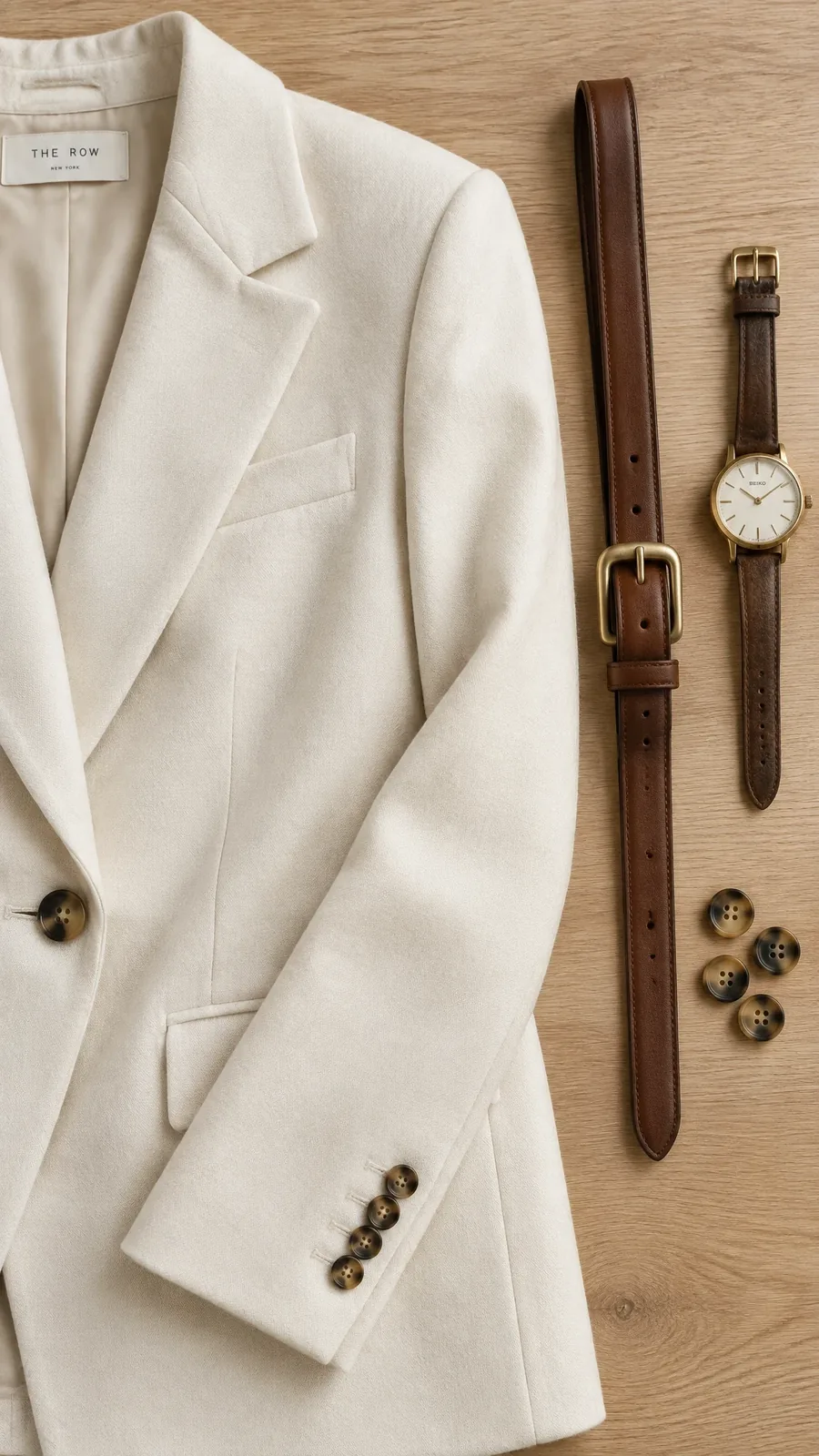
Mass retailers save production costs on the smallest parts of a garment: buttons, zippers, and clasps. Shiny, bright yellow-gold metal snaps or thin plastic buttons with fake marbled swirls immediately reveal a fast-fashion origin.
You can easily replace low-quality buttons yourself with a needle and thread. Visit a local craft store and pick up horn-effect, matte tortoiseshell, or mother-of-pearl style buttons. Swapping these onto a basic cardigan or trench coat completely changes its perceived value.
Footwear and Bag Choices That Keep Your Look Polished
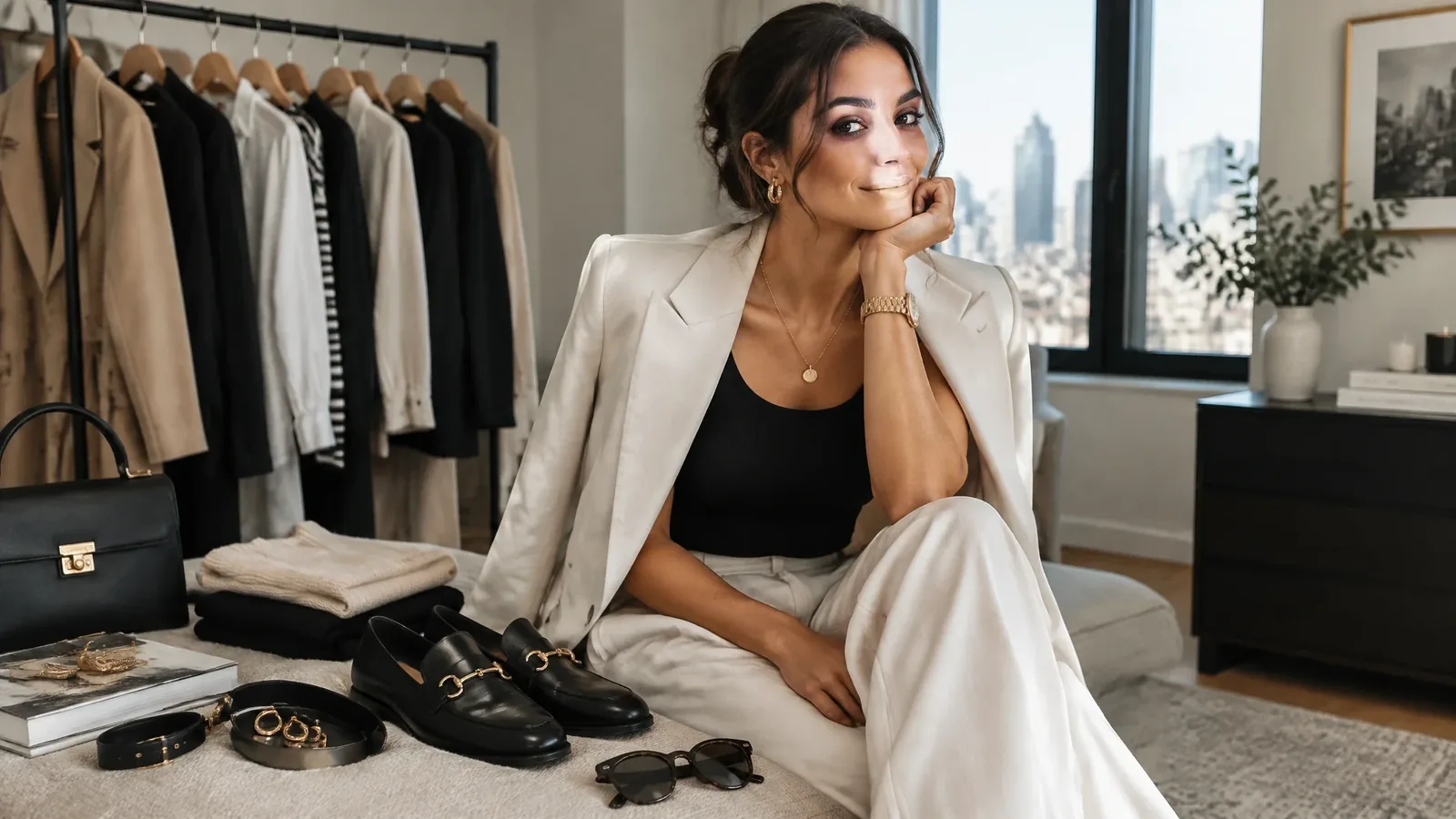
When it comes to shoes, the toe shape speaks louder than the brand logo. Almond and pointed toes naturally elongate the legs and look significantly more sophisticated than round, bulbous toe boxes. A simple pair of pointed-toe flat mules or sleek loafers can elevate casual jeans and a white tee into a chic workday ensemble.
With bags, avoid heavy logos, loud monograms, and excessive metal chains. Budget faux leather often fails when it tries to mimic exotic animal skins or heavy patent finishes. Instead, choose smooth, structured bags in matte faux leather or thick canvas with minimal stitching. A simple boxy cross-body bag in deep olive, burgundy, or chocolate brown adds an understated, high-end feel to any look.
Realistic Everyday Outfit Formulas
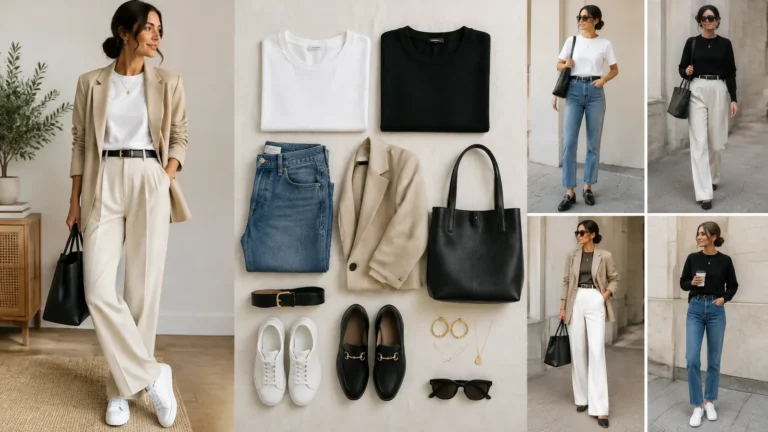
Here are four go-to combinations that work across different life situations, from casual office environments to busy weekends with kids, without breaking the bank.
- The Polished Office Look: Crisp white poplin button-up tucked into high-waist straight black trousers, finished with a slim leather belt, small hoop earrings, and black pointed loafers.
- The Weekend Coffee Run: Dark wash straight-leg jeans without distressing, a heather gray fitted crewneck tee, a lightweight trench coat, and clean white minimal sneakers.
- The Casual Evening Out: Black slip skirt or midi skirt, a slouchy textured knit sweater half-tucked in front, and ankle boots with a modest block heel.
- The Warm-Weather Errand Day: Wide-leg linen-blend pants in oatmeal, a fitted ribbed black tank top, leather slide sandals, and a structured woven tote bag.
Frequently Asked Questions
How can I tell if a budget sweater will pill quickly?
Gently rub the fabric against itself for a few seconds in the store. If tiny fuzzy strands begin to stand up immediately, the fibers are short and will start pilling within a couple of wears. Look for knits that feel compact and dense rather than excessively fluffy.
Are designer logos ever worth the investment?
Logos rarely make an outfit look sophisticated. In fact, large visible logos often distract from clean silhouettes and texture. Investing your funds in quality fabrics and tailoring will always yield a more refined appearance than paying extra for brand lettering.
What is the easiest jewelry rule to avoid looking cheap?
Keep metal tones consistent across your entire outfit. If your belt buckle is brushed brass, pair it with warm gold earrings and rings. Shiny yellow gold can look plastic; choose brushed gold, muted silver, or vintage tones with subtle luster instead.
Building Confidence in Simple Choices
Looking put together has nothing to do with chasing seasonal trends or emptying your savings account on designer labels. It comes down to self-respect in the small details: garments that fit comfortably, fabrics that hold their shape, clean shoes, and an uncluttered silhouette.
Start by shopping your current wardrobe with a critical eye. Steam what is wrinkled, depill what is worn, and adjust pieces so they fit your real body today. When you step out the door knowing your clothes fit well and look cared for, that calm confidence will always read as true luxury.